


Taking a short getaway to escape from the hustle and bustle of LA can work wonders. Many California families hit the road to soak up the sunshine in Miami. However, accidents can happen at any time, especially on long road trips. Knowing what to do in the event of a crash out of state is essential. This guide outlines the key steps to take if you or a loved one is injured while traveling.
Immediate Steps to Take After the Accident
When caught in an accident, ensure you follow these steps:
- Assess for any injuries; if possible, pull over to a safe space.
- Call 911, even for minor crashes; first responders can assess your medical needs and assist in handling official documentation to make a report.
- Cooperate with the police and request a copy of the accident report.
- Seek treatment for injuries, even if they appear minor, as the adrenaline and endorphins from a car accident can mask pain. Also, symptoms may not appear until days or even weeks following an accident, such as a concussion or whiplash.
What Information to Collect
Following the accident, if you or your family don’t need immediate medical attention, collect as much information as you can.
- Driver’s licenses and insurance info from all parties.
- Photos of damage, location, license plates, and the surrounding area.
- Witness contact info.
- Police officer’s name and badge number.
- Your own notes on what happened, while it’s fresh.
This will make building a personal injury case easier, as evidence is crucial in proving you are not negligent. The longer you wait to collect evidence, the harder it will be to build your case.
Out-of-State Legal Complexities
If you’re a California resident injured in a crash while driving through a different state, that state’s law, not California’s, will govern your case. The same goes for filing a lawsuit; if you want to file a claim against another driver who rear-ended your car, you will need to do that in the state where the accident took place.
Certain states have unique laws that are important to keep in mind:
- Florida is a no-fault state, meaning that regardless of who is at fault for an accident, your own insurance covers the cost of medical bills and vehicle repairs, as the state makes it mandatory for all drivers to have Personal Injury Protection (PIP) insurance while driving. Additionally, Florida follows a comparative negligence system; drivers found to be at least 51% liable cannot recover compensation for damages.
- Nevada operates under a fault-based system, meaning that one person is considered at fault and liable for damages.
- In contrast, California’s comparative negligence system assigns a percentage of fault, with the percentage deducted from potential compensation if the individual is found partially at fault.
Considering the different laws in each state can help you understand your rights should you want to pursue a personal injury claim. States with comparative negligence systems, such as Florida, require collecting as much evidence as possible to maximize compensation.
Do You Need a Local Attorney?
If you’ve been hurt in a Miami-area crash, a Florida attorney can help you fight for your compensation.
- Collect evidence such as medical documents or witness testimonials.
- Navigate regional-specific negligence systems to maximize compensation
- Represent you during the legal process, from mediation to litigation.
A regional-specific personal injury lawyer understands specific insurance laws, procedures, and court systems, making a local attorney ideal for navigating the intricacies of the local legal system.
Travel Insurance Coverage
Purchasing travel insurance before a vacation can help cover unexpected costs associated with accidents or other unforeseen events. Specific travel insurance policies can include benefits such as emergency transportation or medical coverage, providing you with the reassurance you need during a family trip.
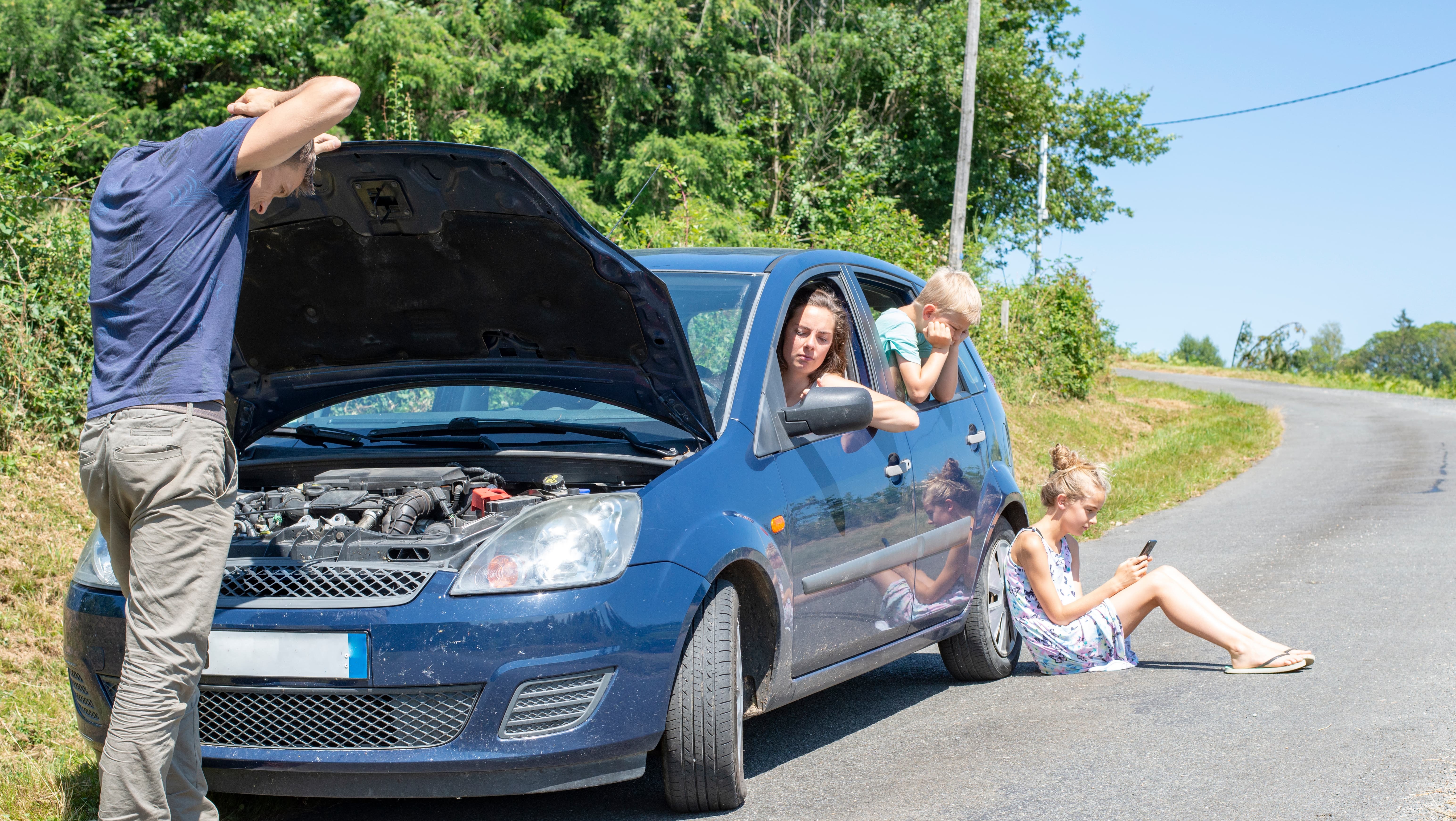
Having travel insurance before your family vacation can make situations like this much less stressful.
Rental Cars and Liability Tips
Driving a rental car often requires following specific steps when reporting an accident. Rental companies may require you to contact them immediately or use approved repair providers to activate coverage. Be sure to follow the terms of your rental agreement to avoid denials in reimbursement.
When renting a car, your coverage may come from your personal auto insurance or the rental company’s optional insurance. Each source offers different levels of liability. Confirm what’s covered before you travel, especially in states like Florida, which follow a comparative negligence system. Understanding how your coverage works can help you avoid unexpected expenses.
Practical Tips for Safer Family Travel
Before heading out on a family road trip, preparing for your trip can go a long way in keeping your loved ones safe and reducing stress from unexpected risks. Here’s a quick travel checklist:
- Inspect your vehicle or rental for maintenance issues.
- Confirm that your auto insurance covers out-of-state travel.
- Pack a first aid kit.
- Know how to access your roadside assistance plan.
- Store physical and digital copies of your insurance cards, driver’s licenses, and emergency contacts.
Enjoy the Journey, But Be Prepared
Most family road trips go off without a hitch, but knowing what to do in an accident out of state can make all the difference in protecting your health and legal rights. If you’ve been injured in a Florida crash, especially while visiting Miami, working with a local attorney can help you recover the compensation you deserve, so you can focus on recovery and enjoying your family trip.
—
About the Author
David Kleinberg, Personal Injury Attorney at The Injury Claim Law Firm
David Kleinberg is a highly respected personal injury attorney based in Miami, Florida. With over 30 years of experience, he’s known as “The Man in the Hat” for his commanding courtroom presence and compassionate client advocacy. David has secured numerous multimillion-dollar verdicts and settlements, including a $51 million jury award for an injured child and a $37 million verdict against Yamaha. He holds a J.D. from the University of Miami and is admitted to practice in Florida state and federal courts, including the U.S. Supreme Court.
