
(This article may or may not contain affiliate links. What does that mean?)
A cruise to Greenland offers an unparalleled opportunity to explore one of the world’s most captivating and least-visited destinations. Greenland, the world’s largest island, is a land of stark contrasts and immense beauty. From towering icebergs and sprawling glaciers to colorful coastal villages and abundant wildlife, a Greenland cruise promises a journey like no other. However, navigating this remote and challenging environment requires careful planning and consideration.
[lwptoc]
NO TIME TO ENJOY THIS ARTICLE NOW? PIN IT OR BOOKMARK IT FOR LATER!
Choosing Your Greenland Cruise Adventure
Popular Cruise Routes and Destinations
Greenland offers several popular cruise routes, each showcasing different aspects of the island’s beauty. The western coast, including Disko Bay and Ilulissat Icefjord (a UNESCO World Heritage site), is renowned for its massive icebergs and picturesque towns. Southern Greenland, with its Norse ruins and more temperate climate, offers a unique blend of history and natural beauty.
Best Times to Visit: Balancing Weather and Attractions
The cruise season in Greenland typically runs from late June to early September. July and August offer the mildest weather and longest daylight hours, ideal for outdoor activities and wildlife viewing. However, these months are also the busiest. Consider a June or early September cruise for fewer crowds and the chance to see the Northern Lights, though be prepared for cooler temperatures.
DON’T MISS! Best Places to See the Northern Lights
Cruise Duration: Short Expeditions vs. Extended Voyages
Greenland cruises vary in length from short 5-7 day expeditions focusing on specific regions to comprehensive 2-3 week voyages circumnavigating the island. Shorter cruises are excellent for first-time visitors wanting to experience the highlights, while longer journeys offer deeper exploration and the chance to visit more remote areas.
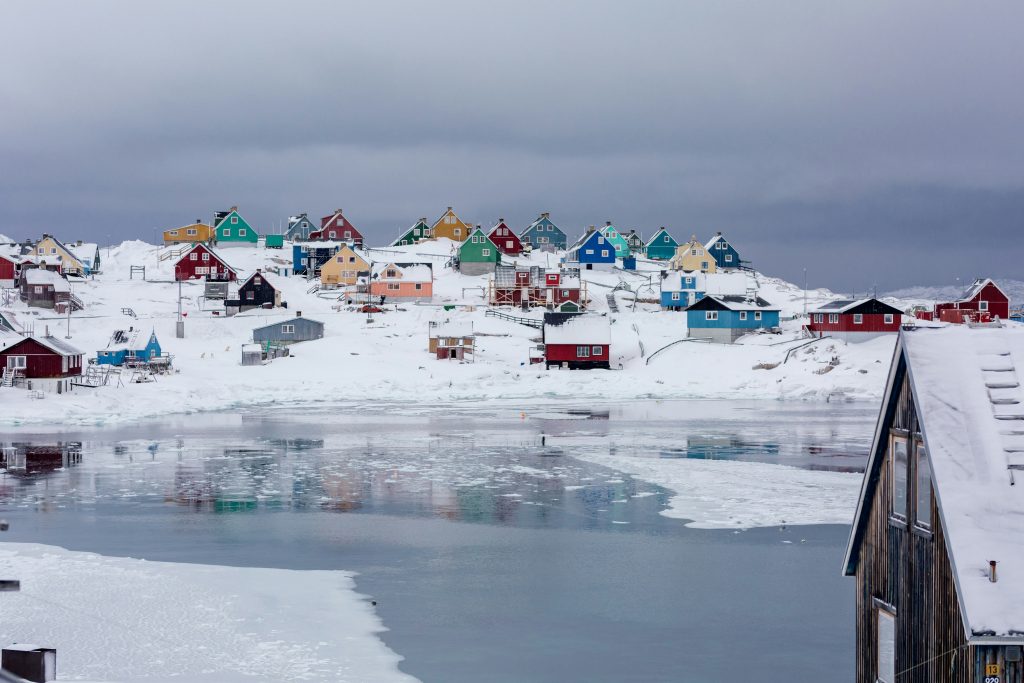
These colorful homes decorate the snowy backdrop of Greenland. ©Unsplash
Navigating Greenland’s Unique Geography
Fjords, Glaciers, and Icebergs: What to Expect
Greenland’s coastline is characterized by deep fjords, massive glaciers, and awe-inspiring icebergs. The Ilulissat Icefjord, where icebergs the size of skyscrapers calve from the Jakobshavn Glacier, is a must-see. Be prepared for the thunderous sound of calving glaciers and the mesmerizing blue hues of ancient ice.
Coastal Settlements: A Glimpse into Inuit Culture
Visits to coastal towns like Nuuk, Greenland’s capital, or smaller settlements such as Sisimiut offer insights into modern Greenlandic life. These colorful communities, where traditional Inuit culture blends with contemporary influences, provide a fascinating contrast to the wild landscapes.
The Inland Ice Sheet: Possibilities for Exploration
While most cruises focus on coastal areas, some offer excursions onto the Greenland Ice Sheet, which covers about 80% of the island. These trips, often by helicopter, provide a unique perspective on the vast expanse of ice that defines Greenland’s interior.
[ctt template=”5″ link=”Xa2T5″ via=”no” ]Greenland, the world’s largest island, is a land of stark contrasts and immense beauty. From towering icebergs and sprawling glaciers to colorful coastal villages and abundant wildlife, a Greenland cruise promises a journey like no other.[/ctt]
Wildlife Encounters in Greenland’s Waters and Shores
Marine Life: From Whales to Seals
Greenland’s waters are rich in marine life. Whale watching is a highlight, with opportunities to spot humpback, fin, and minke whales. You might also encounter playful seals and, if you’re lucky, the elusive narwhal.
Land Animals: Musk Oxen, Arctic Foxes, and More
On land, keep an eye out for musk oxen, particularly in Northeast Greenland National Park. Arctic foxes, changing their coat color with the seasons, can sometimes be spotted near settlements. While polar bears inhabit Greenland, sightings on typical cruise routes are rare.
Birdwatching Opportunities in the Arctic
Greenland is a paradise for birdwatchers. Look for species like the Arctic tern, which migrates from Antarctica each year, or colonies of puffins and guillemots nesting on coastal cliffs.
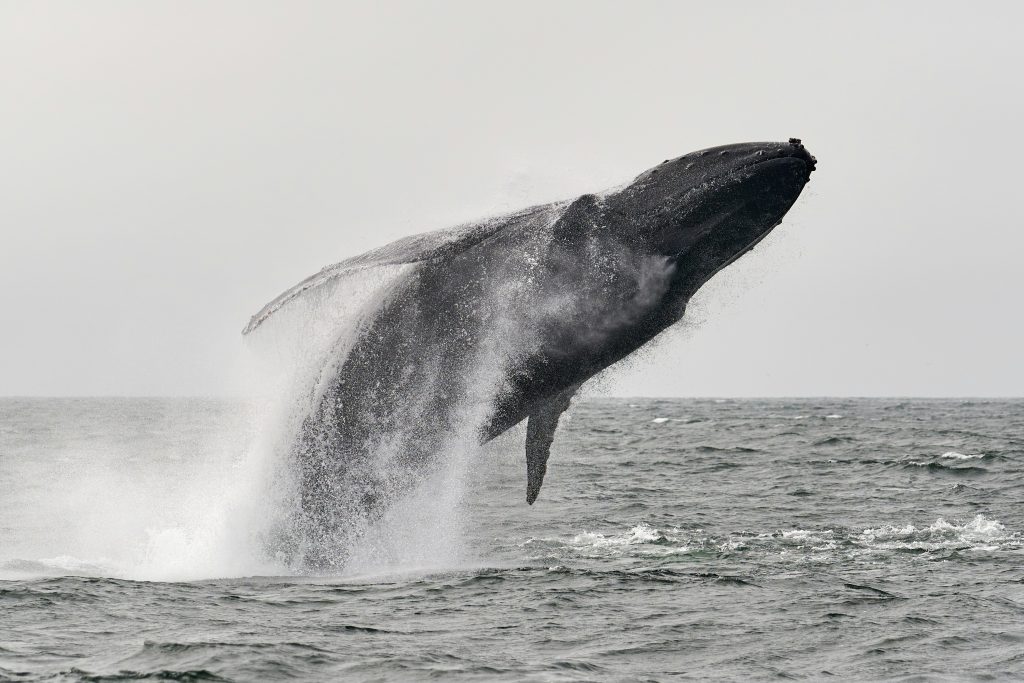
Whale, hello there! Watching these gentle giants play in Greenland’s icy waters is pure magic. ©Unsplash
Cultural Immersion: Connecting with Greenlandic Heritage
Visiting Remote Communities: Etiquette and Expectations
When visiting Greenlandic communities, respect local customs and privacy. Many settlements are small and tight-knit; always ask permission before taking photos of people. Learn a few basic Greenlandic phrases as a gesture of goodwill.
Traditional Inuit Crafts and Art
Greenlandic art, particularly soapstone carvings and intricate beadwork, reflects the island’s cultural heritage. Many communities offer workshops where you can watch artisans at work or even try your hand at traditional crafts.
Culinary Experiences: Tasting Greenlandic Cuisine
Greenlandic cuisine is a unique blend of traditional Inuit and Danish influences. Try local specialties like mattak (whale skin with blubber), smoked halibut, or reindeer stew. Some cruises offer onshore culinary experiences or bring local chefs aboard for special meals.
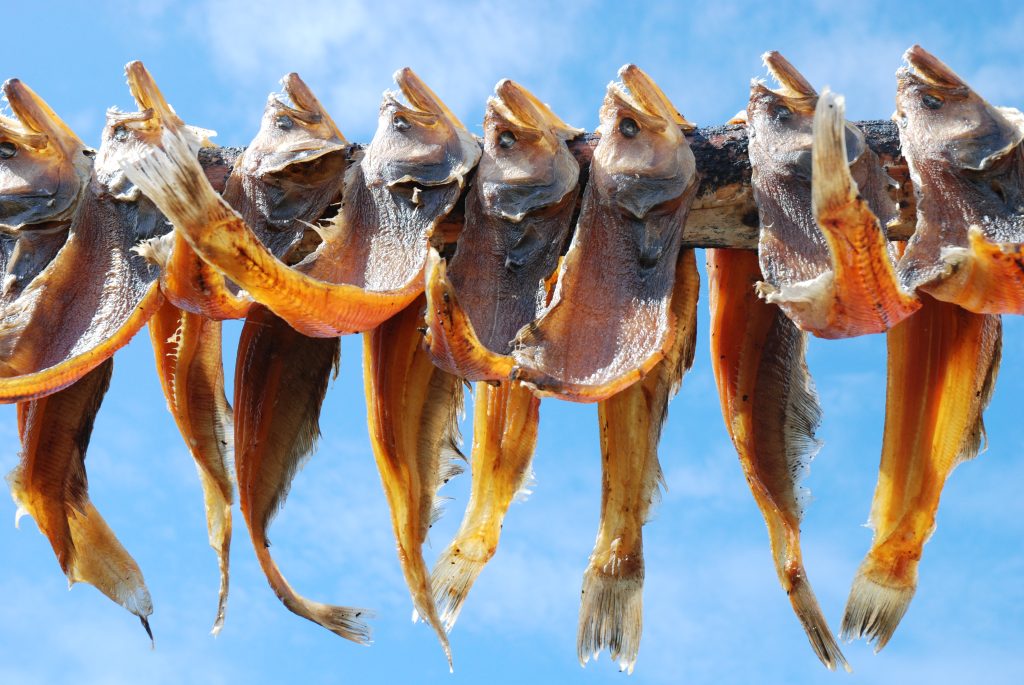
Looks can be deceiving! This smoked halibut might not win any beauty contests, but trust us—one bite and you’ll be hooked! ©Wikicommons
Practical Considerations for Your Greenland Cruise
Visa and Entry Requirements
Most visitors don’t need a visa for short stays in Greenland. However, as Greenland is part of the Kingdom of Denmark but not the European Union, check specific entry requirements based on your nationality and the duration of your stay.
Currency and Payment Methods in Greenland
The official currency is the Danish Krone (DKK). While credit cards are widely accepted in larger towns, it’s advisable to carry some cash for smaller settlements. ATMs are available in major towns but can be scarce in remote areas.
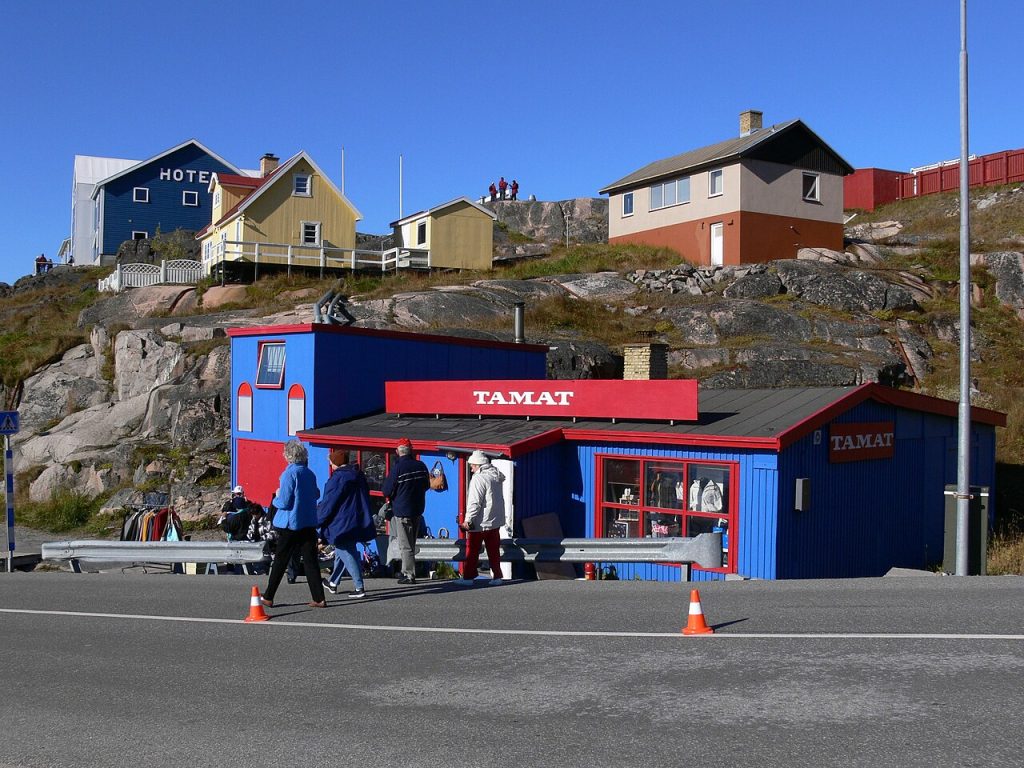
Shopping in Greenland: where the souvenirs are as cool as the icebergs! ©By Pmarshal – Own work, Public Domain
Packing Essentials for Greenland’s Climate
Layering Strategies for Arctic Conditions
The key to comfort in Greenland’s changeable weather is layering. Pack moisture-wicking base layers, insulating mid-layers (fleece or wool), and a waterproof, windproof outer layer. Don’t forget warm hats, gloves, and sturdy, waterproof boots.
Specialized Gear for Shore Excursions
Depending on your planned activities, consider packing hiking poles for uneven terrain, binoculars for wildlife viewing, and a dry bag to protect camera equipment during Zodiac rides.
Photography Equipment for Capturing the Arctic Beauty
Greenland’s landscapes and wildlife offer incredible photographic opportunities. Bring a camera with a good zoom lens, extra batteries (cold drains them quickly), and plenty of memory cards. A tripod can be useful for Northern Lights photography.
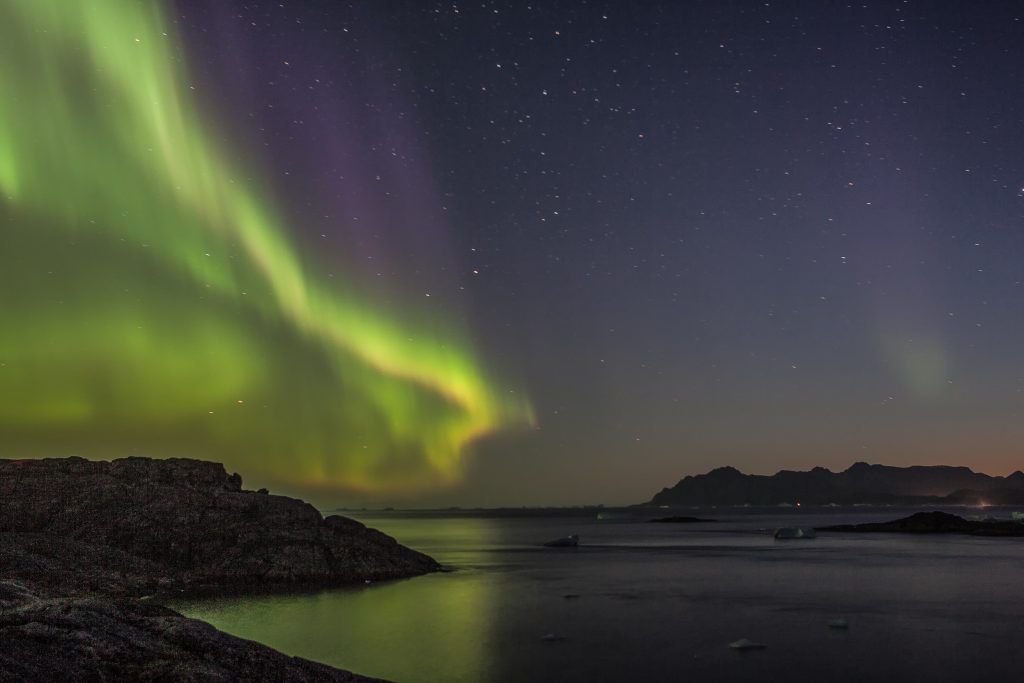
Dancing lights in the Arctic Sky! ©Nick Russill from Cardiff, UK, CC BY 2.0, via Wikimedia Commons
Environmental Responsibility on Your Greenland Cruise
Understanding Greenland’s Fragile Ecosystem
Greenland’s environment is particularly vulnerable to climate change. Learn about the challenges facing Arctic ecosystems and how your visit can contribute to conservation efforts.
Supporting Local Conservation Efforts
Some cruises offer opportunities to participate in citizen science projects or local conservation initiatives. Engage in these activities to contribute positively to Greenland’s environmental preservation.
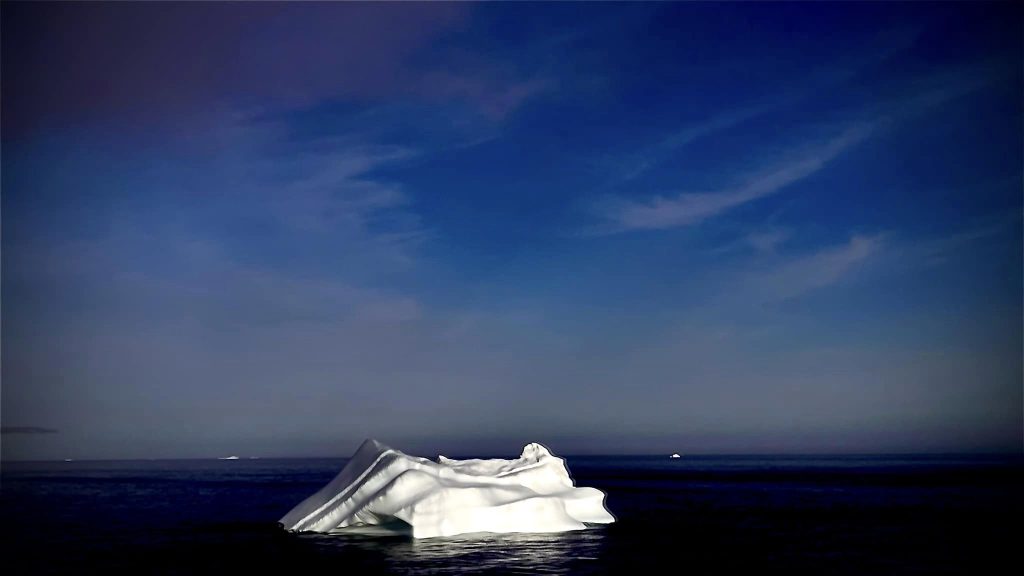
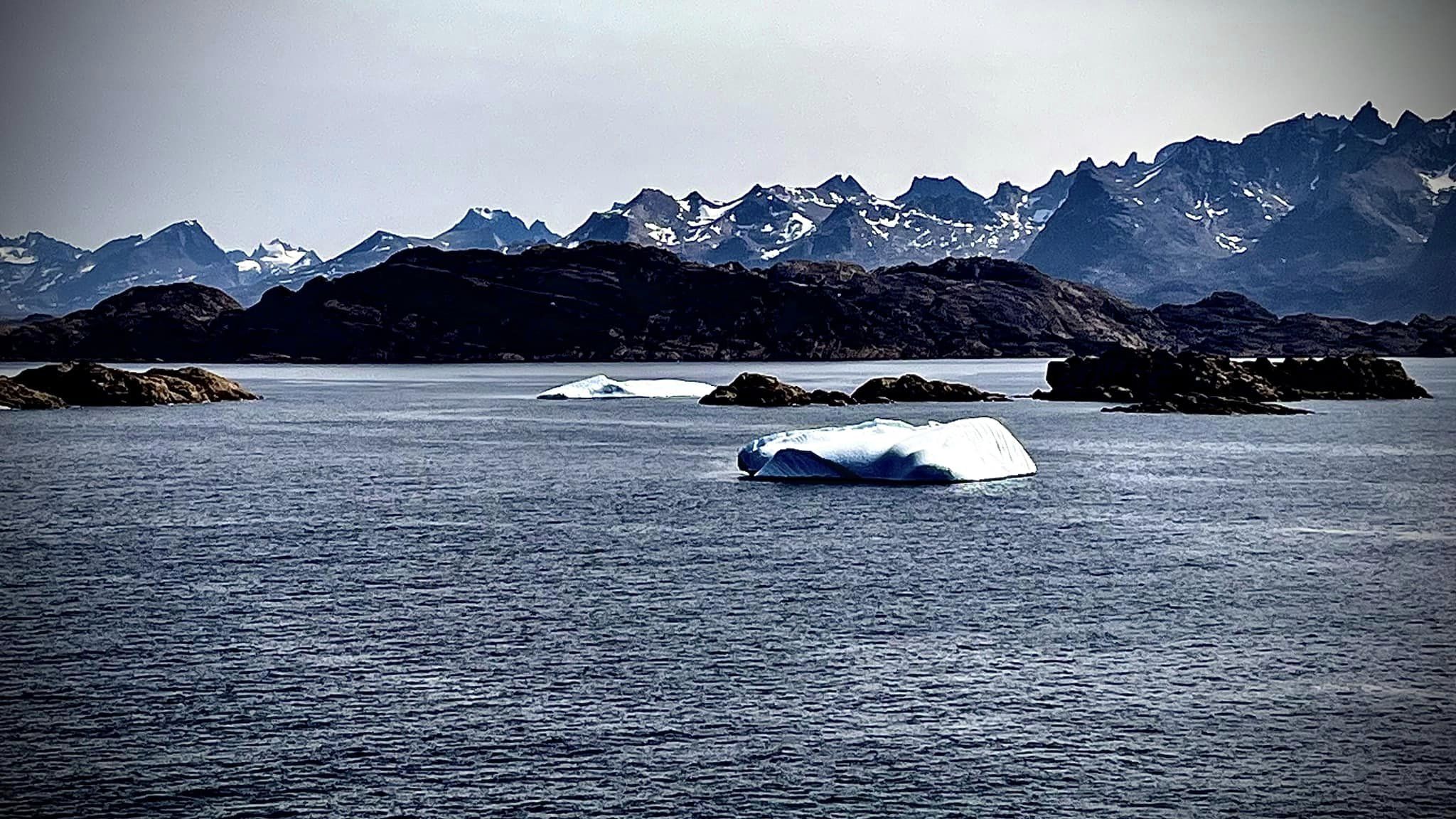
A lonely iceberg in the Arctic Sea. ©Stephen McCourt
A cruise to Greenland is more than just a vacation; it’s an expedition into one of the world’s last great wildernesses. By understanding the unique challenges and opportunities this destination presents, you can prepare for an unforgettable journey. From witnessing calving glaciers and spotting Arctic wildlife to engaging with Inuit culture and marveling at the Northern Lights, Greenland offers experiences that will stay with you long after you’ve returned home. As you plan your cruise, remember that flexibility, respect for the environment, and an open mind are your best companions in this Arctic wonderland.
IF YOU ENJOYED THIS ARTICLE, PLEASE CONSIDER PINNING IT OR SHARING IT!